 English
 German
 French
 Russian
 Spanish
 Japanese
 Korean
 Portuguese
 Ukrainian
 Arabic
 Italian
How Factories Ensure Ethical Manufacturing Practices and Environmental Compliance
In today's world, ethical manufacturing practices and environmental compliance are critical to maintaining both consumer trust and the health of our planet. At BingoBottle, we understand the importance of implementing sustainable and responsible approaches to manufacturing. Here’s how we, and many forward-thinking factories, ensure ethical and environmentally friendly operations.
1. Committing to Fair Labor Practices
Ethical factories prioritize the rights and well-being of their workers. This includes ensuring fair wages, safe working conditions, and reasonable hours. Factories like those partnered with BingoBottle comply with international labor standards and avoid practices such as forced or child labor.
2. Adopting Sustainable Materials
One of the easiest ways to uphold environmental responsibility is by using sustainable and biodegradable materials. At BingoBottle, we prioritize eco-friendly raw materials that minimize waste and reduce our ecological footprint.
3. Minimizing Waste and Emissions
Factories are increasingly adopting practices that reduce waste production and greenhouse gas emissions. This includes utilizing energy-efficient machinery, recycling production scraps, and working with carbon-neutral shipping methods. BingoBottle integrates eco-conscious strategies to ensure our operations align with environmental compliance regulations.
4. Partnering with Certified Suppliers
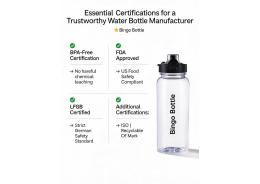
To maintain high ethical standards, factories partner with suppliers certified by recognized organizations like Fair Trade, ISO, or BSCI. Such certifications guarantee that the supply chain follows ethical and sustainable standards, ensuring accountability at every stage of production.
5. Conducting Regular Audits and Training
Frequent audits and employee training programs help ensure that ethical standards are upheld. By regularly reviewing operations, factories can identify areas for improvement and ensure adherence to evolving environmental regulations.
Conclusion
Factories have a responsibility to society and the planet. Ethical manufacturing and environmental compliance not only enhance reputations but also contribute to a sustainable future. At BingoBottle, we are proud to lead by example, staying committed to responsible manufacturing practices. Together, we can create solutions that are as ethical as they are effective.