 English
 German
 French
 Russian
 Spanish
 Japanese
 Korean
 Portuguese
 Ukrainian
 Arabic
 Italian
Cost Advantages of Ordering Mixed Drinkware Containers (Tumblers, Bottles, Mugs) from BingoBottle
When it comes to procuring drinkware for businesses, gifts, or retail, many buyers wonder if mixing different types of containers (like tumblers, bottles, and mugs) in a single order offers cost advantages. At BingoBottle, we’ve analyzed how mixed drinkware orders can reduce your total procurement costs—let’s dive in.
1. Shipping Cost Optimization
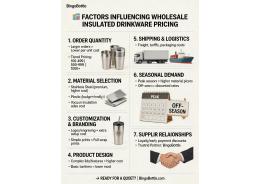
Mixing tumblers, bottles, and mugs in one order streamlines your shipping process. Instead of paying for multiple small shipments (e.g., ordering tumblers in one batch, bottles in another), a single mixed order consolidates transportation. This eliminates extra fees for repeated freight, warehousing transfers, or courier surcharges for small - volume deliveries. For example, combining a 50 - unit tumbler order with 30 bottles and 20 mugs reduces the number of shipments, cutting total logistics costs (including freight, handling, and transit storage) by up to 20–30% compared to separate orders.
2. Bulk Discounts on Mixed Orders
Suppliers like BingoBottle often offer tiered discounts based on order quantity. Mixing product types makes it easier to hit minimum order quantities (MOQs) for bulk pricing. For instance, if the MOQ for a “bulk discount” is 500 units, combining 200 tumblers, 200 bottles, and 100 mugs (total 500) qualifies for a 15% volume discount—something you might miss if ordering each type separately (e.g., 200 tumblers alone might not reach the MOQ). This lowers the per - unit cost across all drinkware types.
3. Efficient Inventory Management
For retailers, event planners, or corporate buyers, mixed drinkware orders simplify inventory replenishment. Instead of managing separate POs (purchase orders) and storage for tumblers, bottles, and mugs, a single mixed order refills all product lines at once. This reduces administrative time (e.g., fewer invoices, deliveries to track) and minimizes the risk of overstocking individual items. For example, a coffee shop ordering branded mugs, tumblers, and water bottles for merchandise can optimize shelf space and cash flow by receiving a balanced mix in one shipment.
4. Customization Cost Sharing
If you’re customizing drinkware (e.g., adding logos, unique designs), mixed orders spread customization costs. Whether it’s a one - time mold fee for engraved tumblers or a design fee for printed bottles, combining multiple product types means the fixed cost (e.g., $500 for a custom logo setup) is divided across more units. For example, a $500 setup fee for 200 tumblers, 150 bottles, and 150 mugs (total 500 units) costs just $1 per unit—far less than paying $500 for 200 tumblers alone ($2.50 per unit).
5. Meeting Diverse Customer Demands
Mixed drinkware orders also support sales growth, which indirectly reduces costs. Customers (e.g., consumers, corporate clients) have varied preferences: some want insulated tumblers for travel, others prefer ceramic mugs for office use, and many need reusable bottles for fitness. Offering a mix in your inventory attracts a broader audience, boosting sales volume. Higher sales allow you to negotiate even better bulk rates with suppliers like BingoBottle, creating a “cost - saving cycle.”
How BingoBottle Supports Mixed Order Cost Savings
At BingoBottle, we specialize in flexible bulk drinkware solutions. Our team can help you:
- Design mixed orders tailored to your quantity and product mix (e.g., 30% tumblers, 40% bottles, 30% mugs).
- Provide transparent bulk pricing tiers for mixed containers.
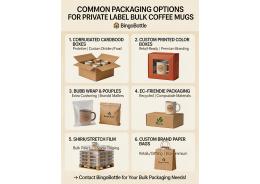
- Optimize shipping routes and packaging for mixed loads to minimize transit costs.
- Streamline customization across multiple drinkware types with shared design/setup fees.
By leveraging these strategies, businesses and buyers can turn mixed drinkware orders into a cost - effective procurement strategy—reducing shipping, inventory, and customization costs while expanding product offerings.