 English
 German
 French
 Russian
 Spanish
 Japanese
 Korean
 Portuguese
 Ukrainian
 Arabic
 Italian
How to Effectively Communicate Custom Design Requirements with an OEM/ODM Drinkware Supplier
In the competitive world of drinkware, standing out with a custom design requires seamless collaboration with an OEM/ODM supplier. Whether you’re launching a new brand, refreshing your product line, or creating promotional merchandise, clear communication with a partner like BingoBottle is the key to turning your vision into a tangible, market-ready product. Here’s a step-by-step guide to ensure your custom drinkware design requirements are understood—and executed—flawlessly.
1. Define Your Requirements with Precision
Clarity is the foundation of effective communication. Break down your design needs into specific categories to leave no room for ambiguity:
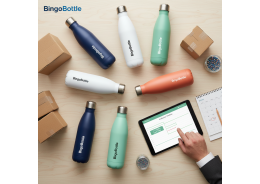
- Product Type: Specify if it’s a water bottle, insulated tumbler, coffee mug, or another drinkware style. For example, if you want a sport water bottle like those on BingoBottle’s site, note features like a leak-proof lid or ergonomic grip.
- Dimensions & Capacity: Share exact measurements (height, diameter, weight) and volume (e.g., 500ml, 1L). Reference BingoBottle’s custom wholesale guidelines for standard sizing or request bespoke dimensions.
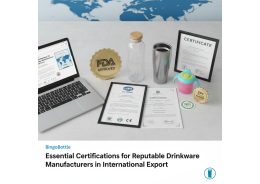
- Material & Durability: Choose from stainless steel, Tritan™ plastic, glass, or eco-friendly options. If you need FDA-approved materials (common in food-contact drinkware), specify this early—BingoBottle specializes in safe, high-quality materials.
- Functional Features: Do you need double-wall insulation (for 12+ hours of temperature retention), a built-in straw, or a foldable design? Outline every functional detail, as these impact manufacturing processes.
- Aesthetic Design: Provide logo artwork (vector files preferred), color codes (Pantone, RGB), and surface finishes (matte, glossy, embossed). For inspiration, browse BingoBottle’s product gallery to share styles you admire.
2. Leverage Visuals to Bridge the Gap
Words alone can’t capture the nuances of design. Use visual tools to make your vision concrete:
- Technical Drawings: Share CAD files, 2D sketches, or 3D renderings (e.g., in .STEP or .SKP format) to show exact proportions and details.
- Reference Images: Curate a mood board with competitor products, trend inspiration, or even lifestyle photos (e.g., a bottle in a hiking scene to convey “outdoor-ready”).
- Physical Samples: If you have a prototype or a “must-include” component (like a unique lid), send it to the supplier (BingoBottle accepts sample submissions for reference).
3. Navigate the Sampling & Prototyping Process
Before mass production, samples are your safety net. Work with your supplier to:
- Agree on Timelines & Costs: Ask for a detailed quote for sampling (e.g., 3-5 sample units) and confirm lead times. BingoBottle offers wholesale & custom sampling with transparent timelines.
- Review Samples Thoroughly: Examine every detail—from color accuracy to seam quality to functional tests (e.g., fill the bottle to check for leaks). Use a checklist to track feedback.
- Request Revisions Clearly: If changes are needed, explain them with specificity (e.g., “The logo should be 2mm larger and centered vertically,” not “The logo looks off”). Provide revised drawings if necessary.
4. Establish Consistent Communication Channels
Regular, structured communication prevents misunderstandings:
- Choose Tools Wisely: For formal docs (e.g., POs, spec sheets), use email. For quick updates or visual feedback, use WhatsApp, WeChat, or video calls (BingoBottle’s team is responsive to multiple channels).
- Set a Communication Rhythm: Schedule weekly check-ins (or as needed) to review progress, address concerns, and align on next steps.
- Document Everything: Keep a shared folder (Google Drive, Dropbox) with all specs, samples, and feedback. This creates a single source of truth for both teams.
5. Align on Contracts & Quality Standards
Protect your brand and investment with clear agreements:
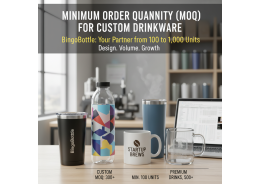
- Finalize Terms: Confirm MOQ (minimum order quantity), pricing tiers, delivery dates, and payment terms. BingoBottle offers flexible MOQs for custom projects, ideal for startups.
- Define Quality Criteria: Reference industry standards (e.g., FDA for food-contact materials, BSCI for ethical manufacturing) and share inspection protocols (e.g., AQL sampling for defects).
- Address Intellectual Property: Clarify who owns the design (you or the supplier) and ensure non-disclosure agreements (NDAs) are in place if needed.
6. Embrace Cultural & Linguistic Nuances
Working with an international supplier (like BingoBottle, based in China) means adapting to cultural norms:
- Simplify Language: Avoid jargon or idioms. Use plain English and define technical terms (e.g., “BPA-free” vs. “chemical-free”).
- Respect Communication Styles: In Chinese business culture, indirect feedback is common—be patient and ask clarifying questions if needed. BingoBottle’s team balances professionalism with cultural sensitivity.
Conclusion: Turn Communication into Collaboration
Effective communication with your OEM/ODM drinkware supplier isn’t just about “telling” them what you want—it’s about “partnering” to solve problems and refine ideas. By following these steps, you’ll transform your custom design requirements into a product that exceeds expectations. With a supplier like BingoBottle, which specializes in bringing innovative drinkware concepts to life, clear communication is the bridge between your vision and market success.
Ready to start your custom drinkware project? Reach out to BingoBottle’s team today to discuss your design needs and experience seamless collaboration!